
10. A Painful Past, Restored People Can Become Powerful Leaders
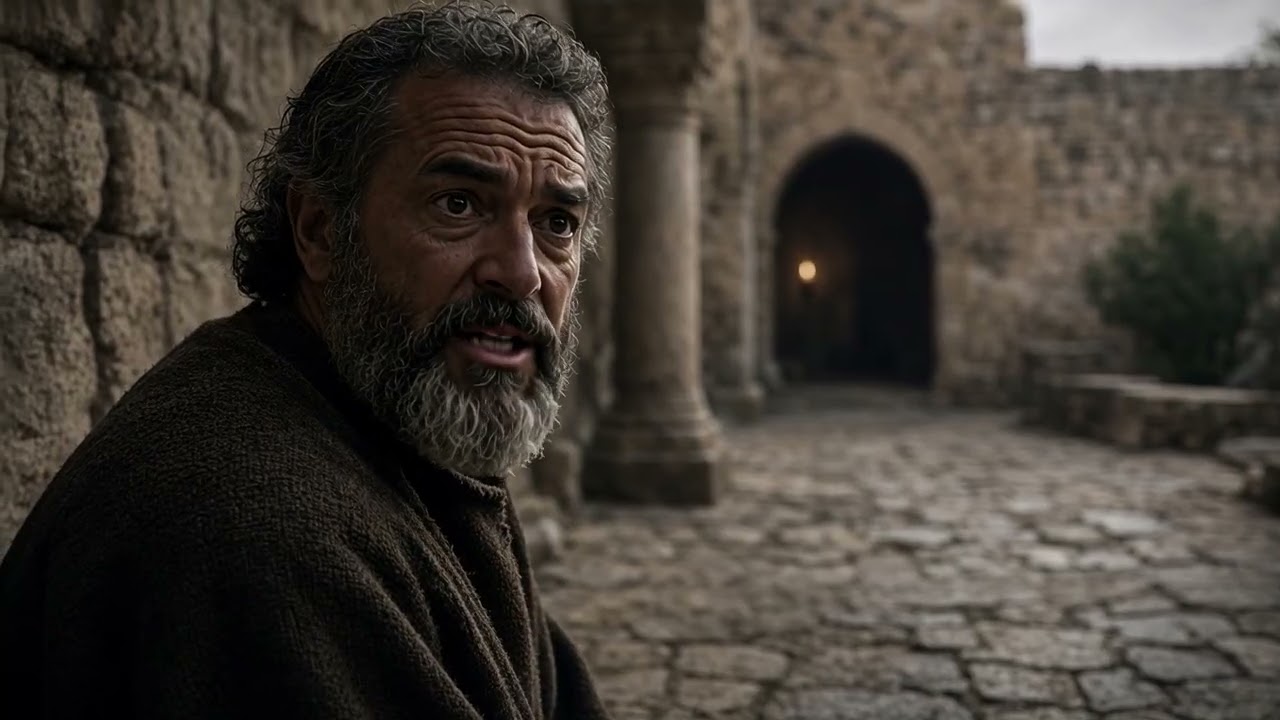
We often say that we believe God can forgive anyone.
But do we believe He can restore them, trust them, and use them to lead?
Peter publicly denied Jesus three times. At the moment when loyalty mattered most, fear overwhelmed him. He insisted that he did not even know the One he had promised never to abandon.
Paul’s history was even more disturbing. He persecuted believers, imprisoned followers of Jesus, and supported the killing of Stephen. Christians knew him as a dangerous enemy of the church.
If we had been choosing leaders, would either man have survived our screening process?
Peter might have been labeled unreliable.
Paul might have been considered too dangerous.
Their failures were real. Their actions caused pain. Restoration did not mean pretending that nothing had happened. Their histories required repentance, healing, transformation, and a new pattern of obedience.
But Jesus refused to make their worst moments their permanent identities.
After Peter’s denial, Jesus did not discard him. Three times, Jesus asked Peter, “Do you love me?” Then He gave him responsibility:
“Feed my sheep.”
John 21:17 WEB
Jesus restored Peter at the place of his failure and recommissioned him for ministry. The man who had denied Jesus in fear later proclaimed Him boldly at Pentecost.
When Jesus transformed Paul, many believers were understandably afraid. Ananias knew Paul’s reputation and questioned the assignment. But Jesus told him:
“Go your way, for he is my chosen vessel to bear my name before the nations and kings, and the children of Israel.”
Acts 9:15 WEB
The persecutor became a preacher. The destroyer of churches became a planter of churches. The man known for spreading fear became one of history’s most courageous witnesses for Jesus.
This is what grace can do.
Grace does not call evil good. It does not ignore consequences, excuse ongoing sin, or immediately place an untested person in authority. Biblical restoration includes repentance, accountability, healing, and proven faithfulness.
But grace also refuses to declare someone permanently unusable when Jesus has transformed them.
Sometimes the people who most deeply understand grace become its most powerful messengers. They know what it means to be rescued because they remember where Jesus found them.
Their scars do not have to become symbols of disqualification. In the hands of Jesus, scars can become evidence of redemption.
As disciple-makers, we must learn to distinguish between someone who is merely sorry about consequences and someone who is genuinely being transformed. But when repentance is real, we must leave room for restoration, growth, and future leadership.
Otherwise, we may preach forgiveness while practicing permanent condemnation.
Do we believe that the gospel truly creates new people? Or will we continue introducing someone by the sin Jesus has already forgiven?
Peter was more than his denial.
Paul was more than his persecution.
And a restored person standing before you may be more than the worst thing they have ever done.
Do not ignore someone’s past, but do not underestimate what Jesus can make of their future.
Next Steps in Disciple-Making
Start the ten Zúme sessions with Terry: https://internationalafricanmobilization.com/training/terrys-zume-teaching-series/
Tell us about your disciple-making journey: https://airtable.com/appUh4Y3McdFcQ8Xg/pagCyMWEWZbPNlyH5/form